
How to Run a 90-Day Industrial Vending Trial on One Production Cell
by a.huynh |
A full-site rollout is a poor way to find out whether point-of-use vending will work in your factory. The cleaner test is a time-boxed trial on one production cell, with a baseline, a short stock list, named users and a review date that finance and operations have already agreed.
Ninety days is long enough to see a few replenishment cycles and a change of shift pattern. It is not a published hire term, and the rental period you actually sign should be agreed with the supplier. Treat 90 days as an evaluation window, then use hire if you want to run that window without a capital request.
This guide sets out how to choose the cell, what to measure before day one, how to run the twelve weeks, and what to bring to the review.
Why start with one cell, not the whole plant
A plant-wide project asks too many questions at once: hardware, software, the stock list, user habits, replenishment and store procedures. When something stalls, nobody can tell whether the idea failed or the rollout did.
One cell keeps the test honest. You can see whether people collect what they need from the cabinet, whether the list was right, and whether the store can replenish it without a special process that would never survive a wider rollout. It also gives tool stores, supervisors and finance a date and a data set, rather than a permanent change they have not seen work.
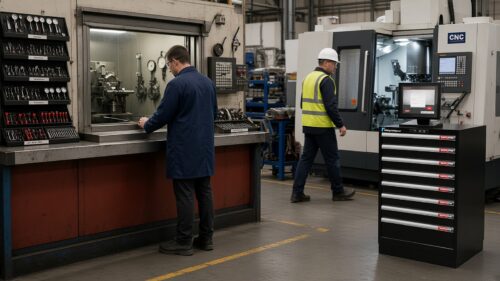
If walk-time is part of the case, pick a cell that currently loses time to the crib or the stores hatch. The existing article on the hidden cost of walk-time in manufacturing is a useful companion when you write the baseline, because it keeps the discussion on observed journeys rather than assumed savings.
Choose a cell that will teach you something
The best trial cell is busy, stable and typical, not the quietest corner of the shop or the most unusual job in the plant.
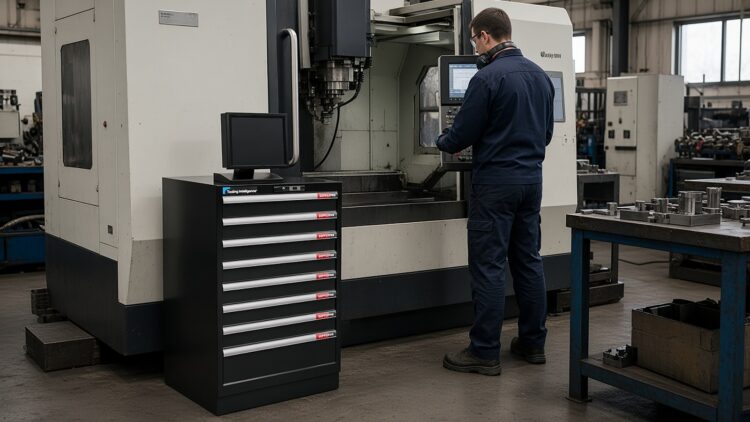
Look for a repeatable mix of work over the next quarter, a named owner (usually a cell leader or area supervisor), a known pain such as stock-outs, unofficial stashes or long walks to the crib, and a stock list you can actually describe. If nobody can name the 30 to 80 items that keep the cell running, the cabinet will be filled with guesswork. You also need space, power and a sensible network path, or a clear plan if connectivity is limited.
Avoid cells that are about to be moved, outsourced or re-lined, and avoid a cell whose consumption is mostly unusual specials. Those are poor teachers.
If you operate more than one site, still start with one cell on one site. Multi-site standards can come later.
Decide what the cabinet is for, then pick the hardware
Write a one-page scope before anyone talks about drawers, lockers or helix trays. The scope should say what will be issued, what will be returned, what will stay in the main store, and who is allowed to take what.
Typical scope lines look like this:
- High-use cutting tools and inserts for this cell only.
- Returnable gauges or power tools that must be signed back in.
- PPE for the cell, if issue records matter as much as availability.
- Fasteners or fittings that are currently grabbed from open bins.
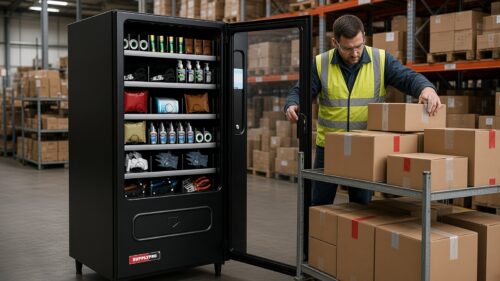
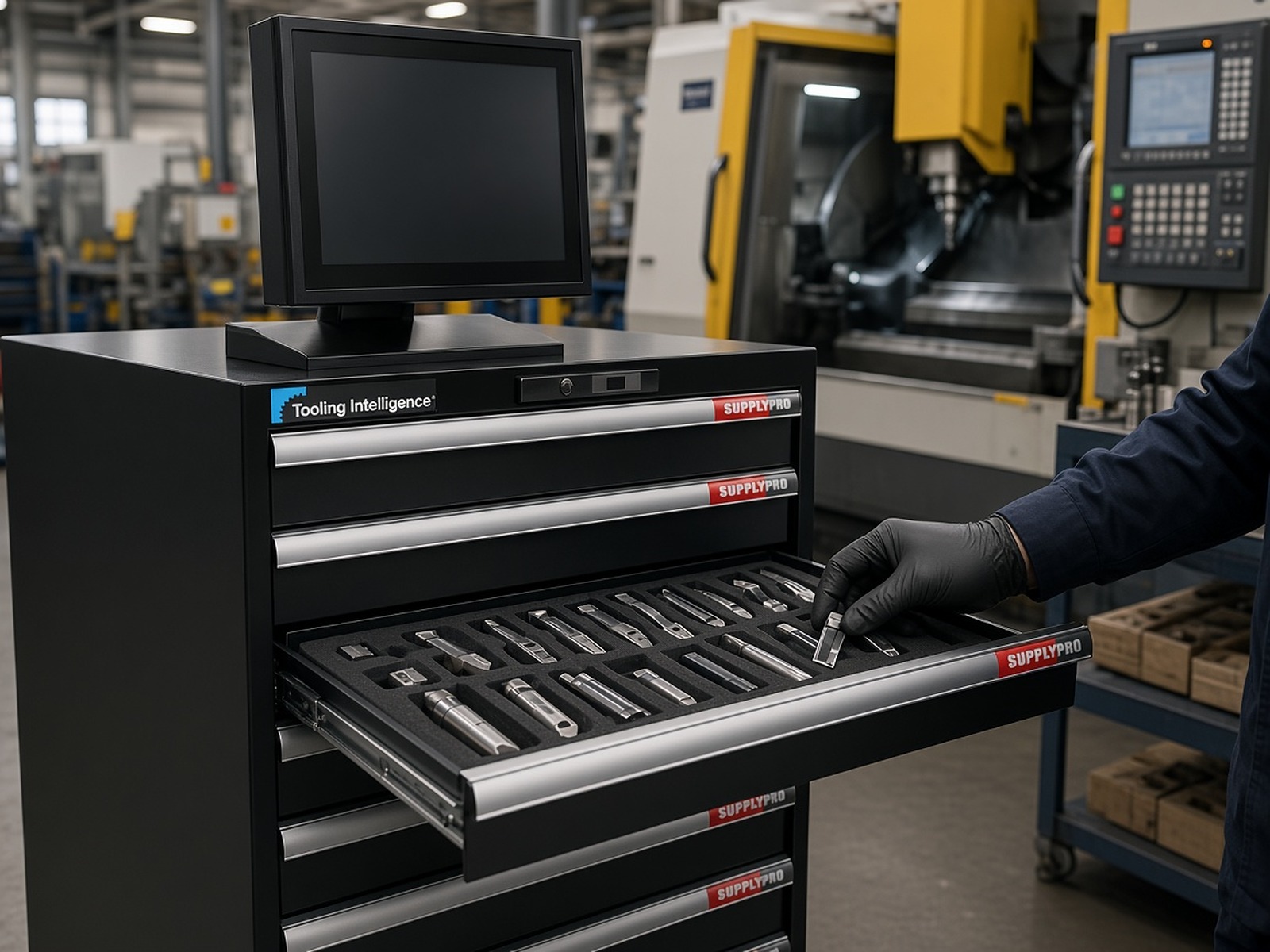
Once the scope is clear, match the storage method to the items. Individually locked drawers suit controlled, identifiable items. Lockers with check-in and check-out suit returnable assets. Helix or tray bays suit packaged consumables of mixed size. Weight-based bins suit bulk small parts where counting each piece is slow or unreliable. Items that cannot be vended economically may still need a locked cupboard or cage on the same system.
Browse the industrial vending range with that scope in your hand. Do not start with a favourite cabinet and then invent a stock list to fill it.
If you want to see the options before the trial starts, the demonstration centre at Honiley can walk you through the SupplyPro range.
Take a baseline in the two weeks before delivery
Without a baseline, the review becomes a set of opinions. You do not need a perfect data warehouse. You need a small number of measures that the cell already understands.
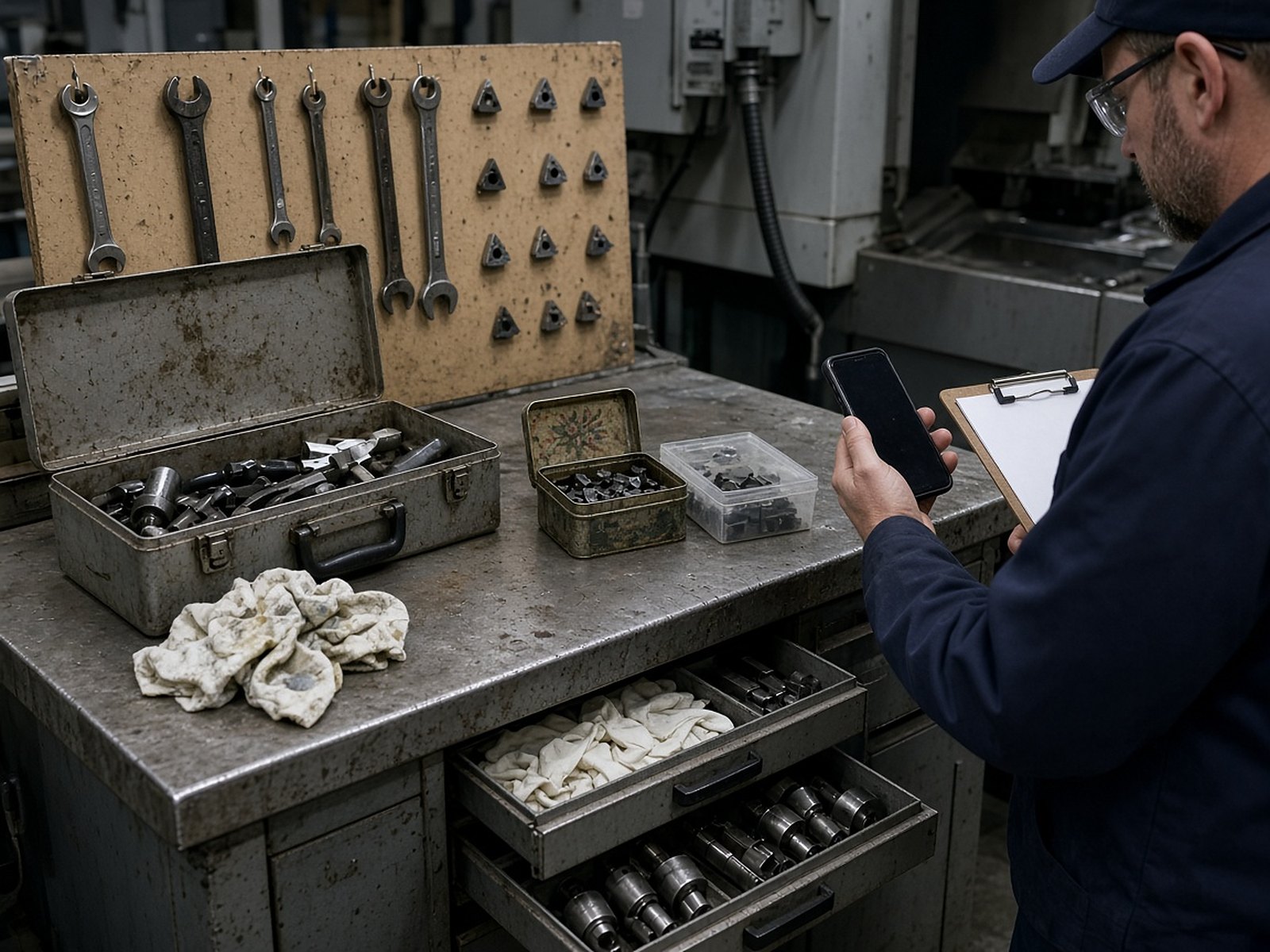
Collect, for a normal two-week period:
- Stock-outs or emergency issues that stopped or slowed the cell, with the item name and the length of the delay, even if you only have supervisor notes.
- Walks to the crib or stores: a simple count per shift, or a timed sample of a few typical journeys.
- Informal holdings: shadow boards, benches and personal boxes that already hold cell stock. Photograph them. You will want the comparison later.
- Official stock on hand for the trial list, including anything sat in the main store “just in case”.
- Replenishment effort: how often the store picks for this cell, and how often someone chases a missing line.
- Quality or scrap events the cell already attributes to the wrong tool, a worn insert or a missing gauge. Only use events you already record.
Agree the trial stock list at the same time, and keep it short. For each line, record the unit of issue, the supplier or suppliers, a sensible min and max, and whether the item is consumable or returnable. Decide user access before go-live. Named people, or groups that match how the cell already works, are better than a shared login, which destroys the audit trail.
A practical 90-day plan
The dates below assume a 90-day evaluation window from go-live. Build and configuration time sits before day one. Tooling Intelligence’s service page notes that equipment is built, configured and tested ahead of delivery, which is the right place for that work. Installation, user training and administrator training should be booked as part of the start, not fitted in later.
Days 1 to 14: install, train and watch the first habits
The first fortnight is about confidence, not savings. Confirm location, power, identification and the first replenishment route. Train the people who will actually use the cabinet, including nights and the cover supervisor, and train at least two administrators so holidays do not freeze the system. Watch the first issues. If people take two of an item “just in case”, or bypass the cabinet for the old bench stock, deal with it immediately, and remove or quarantine the informal holdings that the scope said would move into the cabinet.
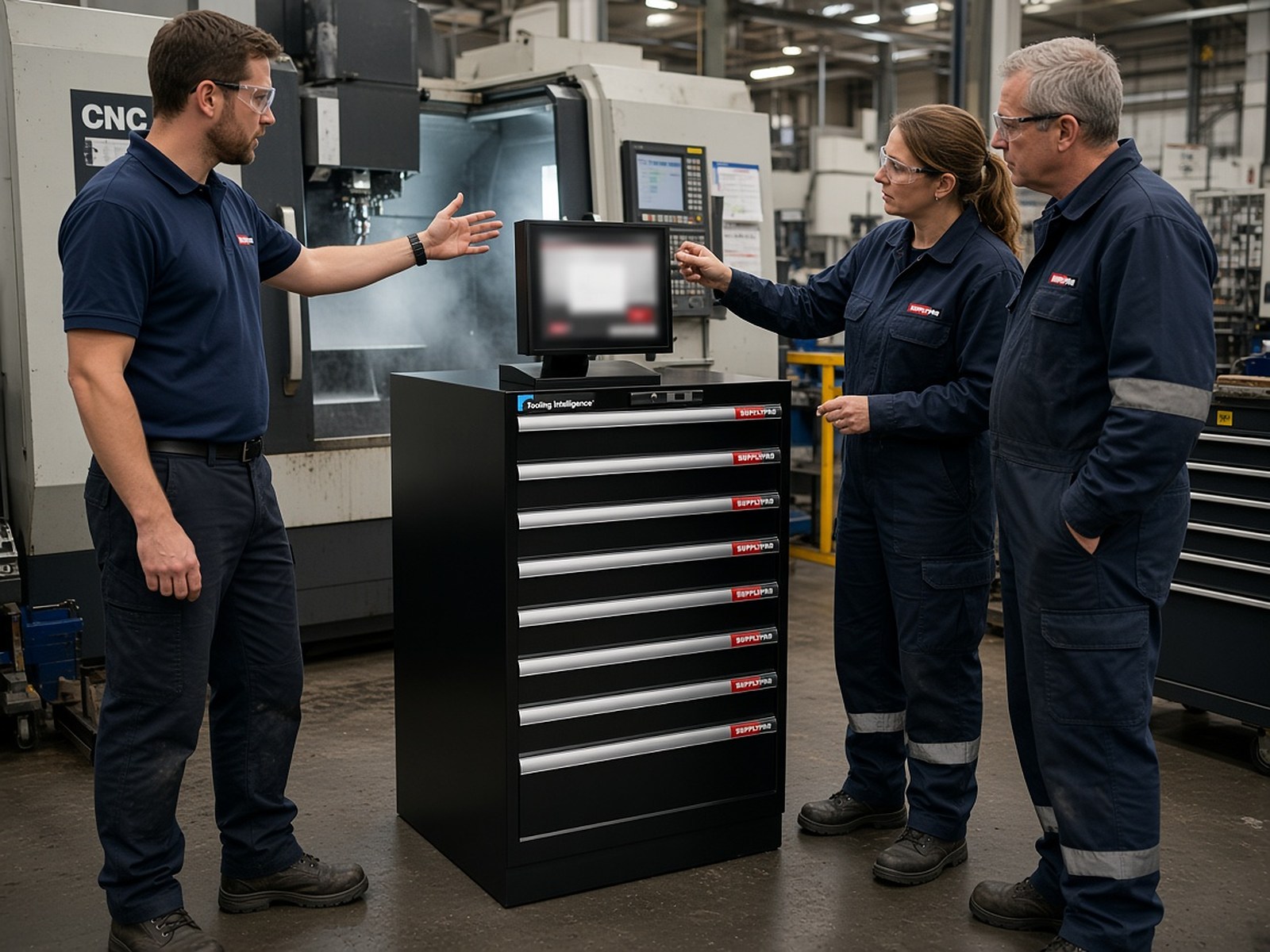
A messy first week is normal. The failure to avoid is leaving the old and new processes running in parallel with no owner.
Days 15 to 60: run a normal operation
By week three the cabinet should be part of the cell’s ordinary day.
- Replenish on the same cadence you would use if this were permanent. Do not gold-plate the trial with daily specialist visits that you could not afford across the plant.
- Review min and max levels after the first two replenishment cycles. Early levels are often too high, because people copy the old “full box on the bench” habit.
- Start using issue data in the weekly cell meeting: which lines moved, which did not, and whether any job was waiting on stock.
- If you charge work to a job or cost centre, decide now whether trial issues should carry those codes. It is much harder to add coding later and still trust the first two months of data.
- Log every workaround. A private tin of inserts is a finding, not a minor irritation.
This is also the period to test support. If a coil jams, a drawer fails to release, or a user is locked out, use the official route and see how it behaves. Tooling Intelligence’s service and support covers installation, training, remote health checks and on-site engineers when a visit is required.
Days 61 to 90: stabilise and prepare the review
The last month should look like ordinary use, not a demonstration.
- Stop tinkering with the stock list unless a genuine shortage appears.
- Compare the baseline with the trial period, using the same definitions you wrote in week 0.
- Ask the cell, the store and quality for written comments, not just a corridor conversation.
- Decide the options: stop, extend, move the cabinet, add a second cell, or convert to a longer arrangement, and if the numbers are encouraging, sketch the next cell while the lessons are fresh.
What to bring to the 90-day review
Write the review as a short paper, not a slide deck of product features. Finance and operations should be able to read it without a supplier in the room. Include the original scope and whether it was kept; baseline versus trial figures, with the limitations stated plainly; items that never moved and items that ran short; user adoption, including whether unofficial holdings returned; store effort; support events; and a clear recommendation with cost shown as a hire continuation, a purchase, or a stop.

For the capital-versus-operating-cost question, go to the hire and rental page for the service itself. If the stock list was wrong or the supervisor never took ownership, say so. That is cheaper than rolling a bad design across three halls.
Paying for the trial without a capital request
Many manufacturers will not raise capex to test a process. Hire exists for that situation. The hire service covers the industrial vending range, includes installation, training and support during the rental period, and is a way to try the system in your own environment before a purchase. Keep the evaluation industrial: control, availability, data and support, not a short-term snack or office machine.
Agree in writing, before day one, what happens at the end of the window: return, extend, relocate, or convert. The trial fails as a decision tool if that conversation starts on day 89.
Frequently asked questions
Do we need a 90-day trial, or will a month do?
A month can show whether people will use the cabinet. It rarely covers enough replenishment cycles, shift cover or a change in the work mix. Ninety days is a practical window, not a rule. If demand is seasonal, include a representative period.
Should the trial include every item the cell uses?
No. Start with the lines that cause delay, loss or argument. Once those are stable, you can add a second wave.
What if the cell still keeps unofficial bench stock?
Treat it as a process problem, not a hardware problem. During the first fortnight, agree which holdings will be removed, and check again at 30 days. If the unofficial stock is still there at the review, the trial has not been run.
Can we trial without connecting to our ERP system?
Yes, and for a first cell you often should. You can still issue against a user, a job or a cost centre on the vending system and export a report. Integration is a later project, once you know the stock list and the codes are right.
Who should own the trial?
Name one operational owner and one stores owner, with a finance contact for the review.
A closing note, and where to go next
If you want to test point-of-use issue on one cell, write the scope, take a two-week baseline, and book a time-boxed trial with a review date already in the diary. The industrial vending range is the place to match hardware to that scope. To run the 90 days without a capital request, speak to Tooling Intelligence about industrial vending hire, or visit the demonstration centre at Honiley before you commit a cell.