
How Industrial Vending Secures Offshore Oil & Gas Supply Chains
by a.huynh |
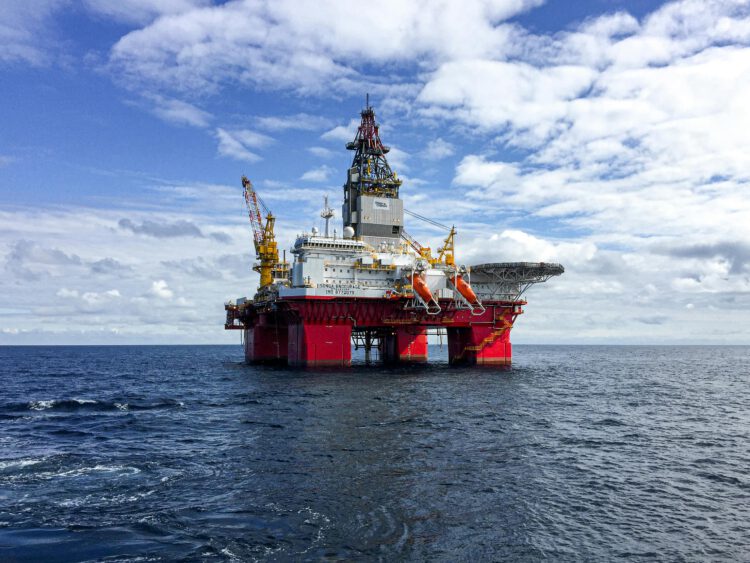
Operating an offshore oil and gas platform is one of the most logistically demanding endeavours on the planet. Whether situated in the unforgiving conditions of the North Sea or a remote deep-water basin, these facilities function as isolated, self-sustaining industrial cities.
When a critical component fails or a mandatory safety item is depleted, the operator cannot simply dispatch a courier down the motorway. They face a severe logistical hurdle where routine supply runs are entirely dependent on volatile weather windows, specialised marine vessels, and highly expensive helicopter flights.
In this extreme environment, traditional methods of managing tools, consumables, and personal protective equipment quickly break down. Building true offshore resilience requires a fundamental shift in how rig managers track and distribute their critical assets.
By bringing smart, automated supply solutions directly to the point of use, operators can eliminate dangerous operational blind spots and dramatically reduce their supply chain overheads.
The Staggering Logistics Premium of the North Sea
The financial penalty for operational delays in the oil and gas sector is immense. According to offshore industry analysis, unplanned downtime costs the average operator tens of millions of pounds annually. In the United Kingdom, the financial stakes are particularly high. The North Sea Transition Authority reported that total operating expenditure for the UK Continental Shelf reached £8.9 billion in 2023. A significant, yet often hidden, portion of this expenditure is dedicated to the complex logistics of maintenance, repair, and operations supplies.
Transporting a £50 replacement valve or a box of specialised safety gloves to a remote rig should be a straightforward transaction. However, the geographic isolation of offshore facilities introduces a massive logistics premium.
Chartering a helicopter for an emergency hot-shot delivery to rectify a stockout can easily cost tens of thousands of pounds per flight hour. If heavy fog or gale-force winds close in, that delivery is grounded indefinitely, leaving highly paid engineering crews sitting idle while production targets slip away.
This geographical vulnerability forces rig managers into a difficult position. They historically had to overstock their supply rooms, tying up vast amounts of working capital in stagnant inventory just to create a safety buffer. Alternatively, they run lean and risk catastrophic, multi-million-pound downtime when a critical consumable unexpectedly runs dry.
Moving Beyond the Manned Stores Department
Traditional approaches to inventory management simply do not function effectively in a 24-hour, extreme-weather environment. A standard manned stores department might be highly efficient during the daytime shift, but offshore rigs operate around the clock in deeply demanding conditions.
If a third-shift maintenance crew experiences a sudden pump failure at three in the morning, they need immediate access to heavy-duty sealants, replacement gaskets, and ATEX-certified tools. Waiting for a storeman to arrive on shift or spending hours searching through disorganised, shared tool cages is not a viable option when dealing with high-pressure systems. To build true operational resilience, offshore operators are turning to decentralised, point-of-use industrial vending solutions.
Bringing automated inventory control to an offshore platform requires hardware that can withstand extreme conditions. Standard indoor vending cabinets are entirely unsuited for the corrosive, high-vibration reality of a drilling rig.
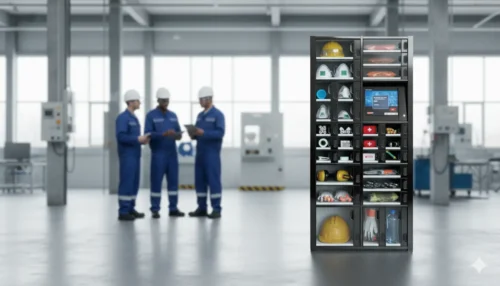
Modern industrial vending systems designed for the heavy industry sector feature ruggedised steel cabinets, heavy-duty dispensing mechanisms, and sealed compartments to protect high-value assets from salt air, moisture, and industrial wear and tear.
By installing these secure units directly adjacent to the engineering bays or heavy maintenance zones, rig managers provide their crews with instant, 24-hour access to the exact supplies they need to keep the platform operational.
Digital Telemetry versus Reactive Panic
The physical durability of the hardware is only half of the solution. The true value of an industrial vending ecosystem lies in the digital intelligence it provides to onshore procurement teams. In a traditional setup, onshore managers have very little visibility into what is actually happening in the rig’s supply room on a day-to-day basis.
They rely on manual stock counts and reactive ordering, which inevitably leads to out-of-stock emergencies or massive over-ordering.
By integrating intelligent software platforms like SupplyPort, operations directors gain a real-time telemetry feed of their remote inventory. Every time a worker uses their secure identification badge or biometric login to dispense a pair of protective coveralls, a personal gas monitor, or a specialised drill bit, the transaction is instantly logged in the cloud.
Onshore procurement teams can see exactly what is being consumed, by whom, and for which specific maintenance task, regardless of how many miles offshore the rig is located.
Automating the Remote Supply Chain
This continuous flow of dispensing data transforms offshore logistics from a reactive scramble into a highly predictable, automated process. As the industrial vending machine dispenses items over the course of a month, the software actively monitors the remaining stock against pre-defined minimum thresholds.
Before a critical consumable ever runs out, the system automatically generates a purchase order and alerts the onshore supply base to include the item on the next scheduled supply vessel. This seamless integration of Vendor Managed Inventory completely eliminates the need for expensive, last-minute helicopter charters.
It ensures the rig is constantly provisioned with the necessary materials without requiring an onshore manager to manually count stock or input data into a spreadsheet.
Enforcing Safety and Calibration at the Edge
Safety is the absolute highest priority in the oil and gas sector. The Health and Safety Executive closely monitors offshore operations, and non-compliance with equipment standards can result in severe regulatory penalties, massive fines, or immediate facility closures.
Offshore crews rely heavily on calibrated testing equipment, personal gas detectors, and strictly regulated fall protection gear. If an engineer uses a harness that is past its inspection date or a gas monitor that has not been calibrated, they are putting their life and the entire platform at risk. Human error in a paper-based tracking system makes these oversights frighteningly common.
Smart vending solutions offer a foolproof method for enforcing these critical safety protocols at the point of use. Management can program the vending software to automatically lock out any piece of equipment the exact second its calibration or inspection date expires.
The locker will physically refuse to open for the operator, flashing a digital alert that the item requires recertification and routing a notification to the maintenance supervisor. This automated safeguard ensures that every single tool used in a hazardous zone is strictly compliant, removing the risk of human error from the safety equation.
Operating an oil and gas platform will always be a complex, high-cost undertaking. However, managing the tools and consumables required to keep that platform running securely does not have to be a source of constant vulnerability. By decentralising inventory, automating procurement data, and locking down critical safety equipment with intelligent hardware, operators can insulate themselves against the harsh realities of remote logistics.
If you are looking to secure your offshore supply chain and eliminate the costs of reactive inventory management, contact Tooling Intelligence today to explore our rugged industrial vending machines and advanced SupplyPort tracking software.